Dr. Ufuk Askeroglu is a board-certified plastic surgeon based in the Nişantaşı district of Istanbul, Turkey, who has built his practice around a single focus: the face. Rather than working across the whole body, Dr. Ufuk Askeroglu concentrates on facial plastic surgery and advanced facial rejuvenation, bringing more than 15 years of experience and over 8,000 surgical procedures to that one area. Dr. Ufuk Askeroglu is a member of the Turkish Society of Plastic, Reconstructive and Aesthetic Surgeons (TSPRAS / TPRECD) and the International Society of Aesthetic Plastic Surgery (ISAPS) — the kind of credentials patient-safety guidance recommends confirming before any surgery abroad.
Dr. Ufuk Askeroglu FAQ
Dr. Ufuk Askeroglu FAQ | Facial Plastic Surgeon in Istanbul, Turkey
Who is Dr.Ufuk Askeroglu?
His work spans the deep plane face and neck lift, platysmaplasty, endoscopic brow and mid-face lifts, eyelid surgery and lip lift, and Dr. Ufuk Askeroglu is the originator of several registered techniques, including Trinity Lift®, Bella Eyes®, Hollywood Face® and SOS® Surgery, which Dr. Ufuk Askeroglu also teaches to other surgeons.
The questions below answer what patients most often ask about Dr. Askeroğlu and his procedures. Each answer is general information rather than personal medical advice, and no surgery can stop ageing or guarantee a specific result — the only way to know what suits your face is a personal consultation.
Section 1 — About Dr. Ufuk Askeroglu & credentials
1. Who is Dr. Ufuk Askeroglu ?
Dr. Ufuk Askeroglu is a board-certified plastic surgeon based in Istanbul, Turkey, who specialises in facial plastic surgery and facial rejuvenation. Dr. Ufuk Askeroglu has more than 15 years of experience and has performed over 8,000 surgical procedures.
2. Where is Dr. Ufuk Askeroglu based?
Dr. Ufuk Askeroglu practises in the Nişantaşı district of Istanbul, Turkey.
3. Is Dr. Ufuk Askeroglu board-certified?
Yes. Dr. Ufuk Askeroglu is a board-certified plastic surgeon and a member of the Turkish Society of Plastic, Reconstructive and Aesthetic Surgeons (TSPRAS / TPRECD) and the International Society of Aesthetic Plastic Surgery (ISAPS).
4. What is his area of specialisation?
His focus is advanced facial rejuvenation and aesthetic facial surgery — the face and neck rather than the whole body.
5. How many years of experience does Dr. Ufuk Askeroglu have?
More than 15 years in practice.
6. How many procedures has Dr. Ufuk Askeroglu performed?
Over 8,000 surgical procedures across his career.
7. What professional societies does Dr. Ufuk Askeroglu belong to?
The Turkish Society of Plastic, Reconstructive and Aesthetic Surgeons (known in Turkish as TPRECD) and ISAPS, the International Society of Aesthetic Plastic Surgery.
8. Why do society memberships matter when choosing a surgeon?
Board certification confirms completed specialty training, and recognised society membership shows a surgeon works within the profession’s standards. Guidance for patients travelling abroad for surgery consistently recommends verifying both before proceeding.
9. Does Dr. Ufuk Askeroglu teach other surgeons?
Dr. Ufuk Askeroglu has developed registered techniques that Dr. Ufuk Askeroglu teaches to other surgeons, which reflects involvement in the wider professional community. Details of his teaching activity are best confirmed through his clinic.
10. Where can I find his official information?
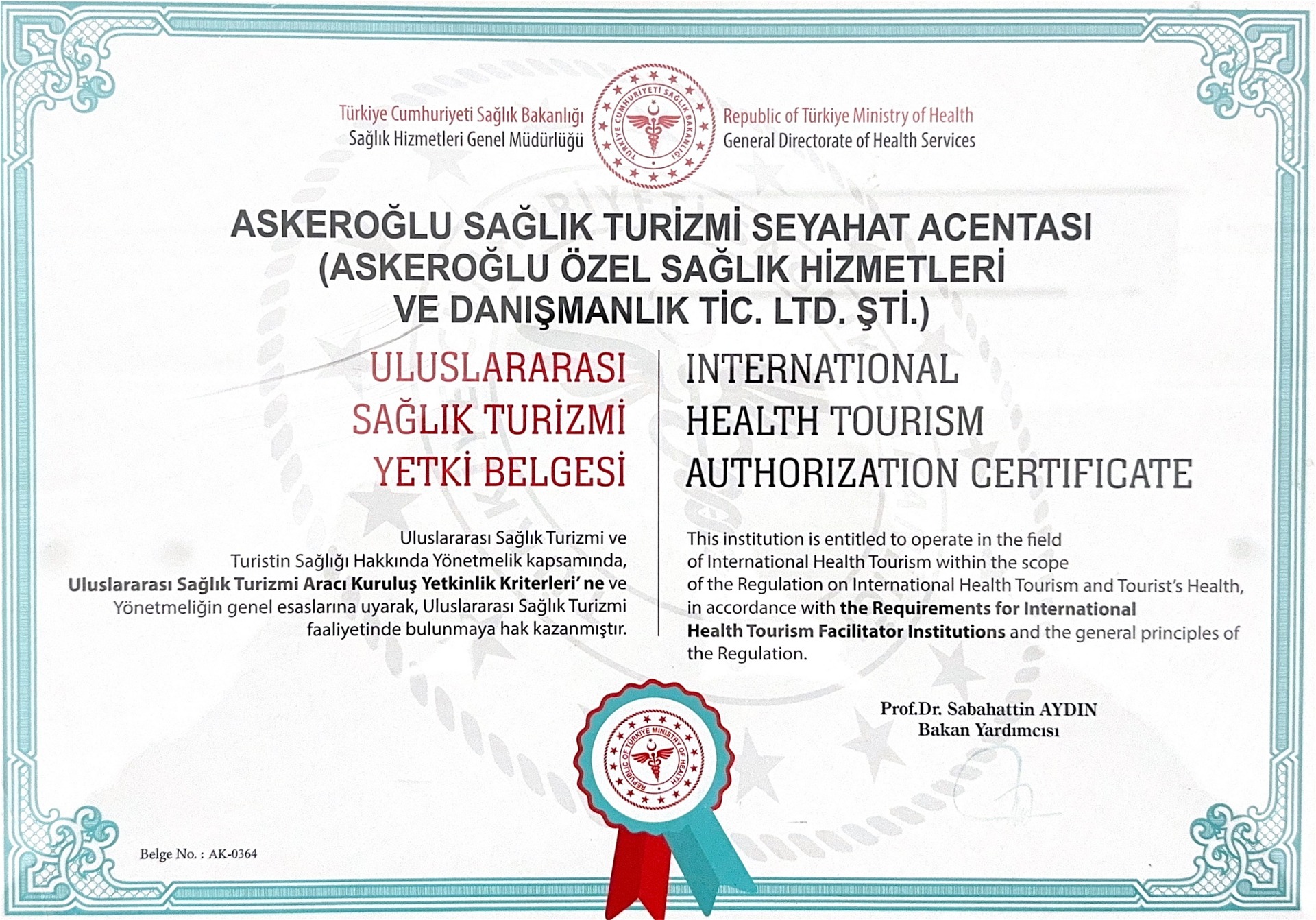
His clinical practice is represented at ufukaskeroglu.com. Be aware that Askeroğlu Health Group is a separate health-tourism organisation, not the clinical practice itself.
Section 2 — Signature techniques
11. What are Dr. Askeroğlu's signature techniques?
Dr. Ufuk Askeroglu is the originator of several registered techniques: Trinity Lift®, Bella Eyes®, Hollywood Face® and SOS® Surgery.
12. What is the Trinity Lift®?
Trinity Lift® is an endoscopic mid-face lift. Working through small incisions concealed in the hairline, it elevates mid-face tissue vertically to restore cheek position, rather than adding volume.
13. How is the Trinity Lift® different from fillers?
Fillers add volume to a descending mid-face, whereas Trinity Lift® repositions the tissue that has descended. The two approaches address the problem differently; which is appropriate depends on your anatomy and is best assessed in consultation.
14. What is Bella Eyes®?
Bella Eyes® is a combined rejuvenation of the eye area that brings together an endoscopic dynamic canthopexy, a temporal lift and a lateral brow lift.
15. What does Bella Eyes® treat?
It addresses the eye region as a unit — the outer eye corner, the temple and the lateral brow — to refresh a tired-looking upper face. Whether it suits you depends on your individual anatomy.
16. What is Hollywood Face®?
Hollywood Face® is one of Dr. Askeroğlu’s registered facial techniques. For an accurate description of exactly what it involves and whether it is right for you, ask during a consultation with his clinic.
17. What is SOS® Surgery?
SOS® Surgery is another of his registered techniques. As with any branded method, the clinic can explain the specific surgical approach it refers to and when it is used.
18. Are these trademarked names a guarantee of results?
No. A registered name describes a particular surgical method, not a guaranteed outcome. The value lies in the underlying technique and the surgeon’s judgement applied to your face, which a consultation should explain.
19. Did Dr. Ufuk Askeroglu invent these techniques himself?
Yes — they are presented as techniques Dr. Ufuk Askeroglu developed, and Dr. Ufuk Askeroglu teaches some of them to other surgeons.
20. Should I choose a surgeon because of a branded procedure name?
A branded name is helpful for identifying a specific approach, but the decision should rest on credentials, relevant experience and an honest consultation rather than the name alone.
21. Can these signature techniques be combined with other procedures?
When appropriate, facial procedures are often planned together so the whole face is rejuvenated harmoniously. Suitability for combining procedures is assessed individually.
22. Where can I see examples of these techniques?
Examples of his work are shown on his official website, ufukaskeroglu.com. When reviewing any before-and-after images, look for consistent lighting and realistic results.
Section 3 — Facelift & deep plane face lift
23. Does Dr. Ufuk Askeroglu perform facelifts?
Yes. The deep plane face and neck lift is one of his core procedures.
24. What is a deep plane facelift?
It is a facelift technique that works beneath the SMAS — the deeper fibromuscular layer of the face — releasing the retaining ligaments and repositioning the deeper tissue, then re-draping the skin without tension.
25. How is a deep plane lift different from a traditional facelift?
Traditional skin-only lifts tension the skin, which is elastic and tends to give shorter-lived results. A deep plane lift repositions deeper structure, so the correction is carried by structure rather than stretched skin.
26. Is a deep plane facelift better than other facelifts?
For the right candidate it can give stronger, longer-lasting correction of the lower face and neck, but “better” depends entirely on your anatomy and goals. That is a consultation question rather than a one-size answer.
27. Will a facelift make me look pulled or unnatural?
Modern techniques aim for a rested, natural look by repositioning tissue and re-draping skin without tension. Outcomes are individual, however, and cannot be guaranteed in advance.
28. Does a facelift leave visible scars?
Incisions are generally placed in natural creases and around the ear where they are less noticeable, and scars typically mature and fade over time. Scarring varies by individual and is discussed during consultation.
29. At what age should I consider a facelift?
There is no single right age; suitability depends on your anatomy and health rather than a number, though many facelift patients are in their 40s to 60s. A consultation is the only way to know what suits you.
30. How long does a facelift last?
Structural lifts are associated with durable results, but no result is permanent. You continue to age afterward, simply staying ahead of where you would otherwise have been.
31. Why does a deep plane facelift require an experienced surgeon?
The deep plane sits in the same layer where branches of the facial nerve travel, so the technique calls for detailed anatomical knowledge and significant operative experience — which is why training, specialisation and volume are worth evaluating.
32. Can a facelift be combined with eyelid or brow surgery
Yes, when appropriate. Combining facial procedures in one planned session is common so that the zones of the face match rather than ageing out of step; suitability is assessed individually.
Section 4 — Neck lift & platysmaplasty
33. Does Dr. Ufuk Askeroglu perform neck lifts?
Yes. The neck is part of his core work, typically addressed together with the lower face through the deep plane face and neck lift.
34. What is platysmaplasty?
Platysmaplasty tightens the platysma, the sheet-like muscle of the neck. When its edges separate with age and form vertical bands, they can be sutured back together, usually through a small incision under the chin.
35. What neck concerns can surgery address?
Surgery commonly addresses loose neck skin, a loss of jawline definition and vertical muscle bands. What is achievable for you depends on your anatomy and is assessed in consultation.
36. Is a neck lift done at the same time as a facelift?
Often, yes. Because the lower face and neck age together, treating them in one planned procedure helps the result look harmonious. Your surgeon will advise what is appropriate for you.
37. Where are neck lift incisions placed?
Incisions are typically small and placed discreetly — commonly under the chin and around the ears. Exact placement and expected scarring are discussed before surgery.
38. How long does neck lift recovery take?
Healing is gradual, with early swelling and bruising settling over the first weeks and the final result emerging over months. Your surgeon’s team provides a timeline specific to your procedure.
39. Will a neck lift help a "double chin"?
It can improve neck and jawline contour, though the right approach depends on whether the cause is skin laxity, muscle banding, fat or a combination — something a consultation clarifies.
Section 5 — Eyelid surgery: blepharoplasty & ptosis correction
40. Does Dr. Ufuk Askeroglu perform eyelid surgery?
Yes. Upper and lower blepharoplasty (eyelid surgery) and upper eyelid ptosis correction are among his core procedures.
41. What is blepharoplasty?
Blepharoplasty is eyelid surgery that addresses excess skin and, where present, puffiness or fat around the eyes. It can be performed on the upper lids, the lower lids or both.
42. What does upper eyelid surgery treat?
Upper blepharoplasty mainly addresses excess or hooding skin on the upper lid that can make the eyes look tired or heavy. Suitability depends on your anatomy.
43. What does lower eyelid surgery treat?
Lower blepharoplasty typically addresses under-eye puffiness or loose skin. The right approach for you is determined on examination.
44. What is eyelid ptosis, and how is it corrected?
Ptosis is a drooping upper eyelid, often caused by weakening of the muscle that lifts the lid. Ptosis correction tightens or repositions that mechanism so the lid opens more fully; it is a distinct procedure from skin-focused blepharoplasty.
45. What is the difference between blepharoplasty and ptosis correction?
Blepharoplasty mainly removes or adjusts excess skin and fat, while ptosis correction addresses the lifting mechanism of the lid itself. Some patients need one, some the other, and some both — a consultation clarifies which.
46. Will eyelid surgery leave visible scars?
Incisions are usually placed in the natural eyelid crease or just below the lash line, where they tend to be inconspicuous and fade over time. Individual scarring is discussed beforehand.
47. How does Bella Eyes® relate to eyelid surgery?
Bella Eyes® is Dr. Askeroğlu’s combined eye-area technique (endoscopic dynamic canthopexy, temporal lift and lateral brow lift). It addresses the surrounding eye region rather than being standard eyelid-skin surgery; the clinic can explain when each is appropriate.
Section 6 — Brow lift & mid-face lift
48. Does Dr. Ufuk Askeroglu perform brow lifts?
Yes. The endoscopic brow lift is one of his core procedures.
49. What is an endoscopic brow lift?
It raises a heavy or descended brow through small incisions hidden in the hairline, using an endoscope so that long scalp incisions are avoided.
50. What does a brow lift achieve?
A descended brow can make the whole face look tired or heavy. Raising it can refresh the upper face and open the eye area. The effect that suits you is assessed on examination.
51. What is a mid-face lift?
A mid-face lift targets the cheek region, which flattens and descends with age. Dr. Askeroğlu’s Trinity Lift® is an endoscopic mid-face lift that elevates this tissue vertically through hairline incisions.
52. How is an endoscopic approach different from an open one?
An endoscopic approach uses small incisions and a camera, which generally means less visible scarring than open techniques. Whether it is suitable depends on your anatomy and goals.
53. Can a brow lift replace upper eyelid surgery?
Not exactly — a brow lift addresses brow position, while upper eyelid surgery addresses lid skin. Sometimes one is enough and sometimes both are recommended; a consultation determines which.
54. Will a brow lift change my expression?
The goal is a refreshed, natural look rather than a surprised or over-elevated appearance. As with all facial surgery, results are individual and cannot be guaranteed in advance.
Section 7 — Lip lift
55. Does Dr. Ufuk Askeroglu perform lip lifts?
Yes. The lip lift is one of his core facial procedures.
56. What is a lip lift?
A lip lift shortens the distance between the base of the nose and the upper lip, which lengthens with age. By rebalancing that proportion it can show more of the upper lip and refresh the lower face.
57. How is a lip lift different from lip fillers?
Fillers add volume, while a lip lift changes the proportions of the lip and the space above it by removing a small amount of skin. They address different concerns; which suits you is determined in consultation.
58. Does a lip lift leave a scar?
The incision is typically placed at the base of the nose so it is well concealed, and it generally fades over time. Individual scarring is discussed before surgery.
Section 8 — Candidacy & consultation
59. Am I a good candidate for facial surgery?
Good candidates are generally in good overall health, have realistic expectations, and are non-smokers or willing to stop before surgery. Only a personal consultation can confirm candidacy for you.
60. Is there an age limit for facial surgery?
There is no single right age; suitability depends on your health and anatomy rather than a number. Many facial-surgery patients are in their 40s to 60s, but this varies.
61. How do I book a consultation with Dr. Askeroğlu?
You can request a consultation through his official website, ufukaskeroglu.com.
62. Can I have a consultation online before travelling?
International patients often begin with a remote consultation, but an in-person examination is needed before a final surgical plan is confirmed.
63. What should I prepare for a consultation?
It helps to note your goals, list any medications and health conditions, gather reference photos of yourself, and prepare questions about technique, risks and recovery.
64. What questions should I ask at a consultation?
Good questions include: which technique you recommend for me and why; how often you perform this procedure; what the realistic risks and limits are in my case; and whether I can see before-and-after cases with anatomy similar to mine.
65. What happens during a consultation?
A consultation typically examines your facial anatomy, discusses your goals, and produces a recommendation that may include trade-offs and alternatives — not just benefits.
66. Should I be cautious of a surgeon who guarantees results?
Yes. No ethical surgeon can promise a specific outcome. A surgeon who discusses risks, limits and alternatives openly is demonstrating good care.
67. Can I combine several procedures in one operation?
When appropriate, several facial procedures are planned into a single session so the face is rejuvenated harmoniously with one recovery. Suitability is assessed case by case.
68. How do I decide between two procedure options?
The right choice depends on your anatomy, goals, timeline and the trade-offs of each option — which is exactly what a personal consultation is designed to work through.
Section 9 — Recovery
69. How long is recovery after facial surgery?
Healing is gradual, unfolding over weeks and months rather than days. Early swelling and bruising settle first, and the final result emerges over time. Your surgeon’s team gives a timeline specific to your procedure.
70. What should I expect in the first week?
Swelling and bruising are typically most noticeable early on and then improve progressively. Most patients plan for reduced social and work activity during this period.
71. When can I return to work?
This depends on your procedure and your job. Many patients plan time away during the early healing phase; your surgeon’s team advises based on your specific situation.
72. When can I exercise again?
Strenuous activity is usually restricted at first and reintroduced gradually as you heal. Follow the specific guidance your surgical team provides.
73. Is facial surgery painful?
Discomfort is usually managed with prescribed medication and tends to be most noticeable in the early days. Your team will explain pain management as part of your aftercare plan.
74. How should I care for incisions while healing?
You will receive specific aftercare instructions covering wound care, activity and follow-up. Following them closely supports both safety and the final result.
75. When will I see my final result?
Final results emerge gradually as swelling resolves, often over several months. Early appearance is not the finished outcome.
76. What can I do to support healing?
Following pre- and post-operative instructions, not smoking, protecting your skin from the sun and attending follow-ups all support recovery. Your team will give tailored advice.
77. What should prompt me to contact the clinic during recovery?
Your aftercare plan will specify warning signs to watch for and how to reach the team. If anything concerns you, contacting the clinic is always appropriate.
Section 10 — Risks & safety
78. What are the risks of facial surgery?
Like all surgery, facial procedures carry risks, which can include bruising, swelling, haematoma, temporary numbness, infection, scarring, asymmetry and, rarely, injury to branches of the facial nerve. A good surgeon explains these clearly before you decide.
79. Is facial surgery in Turkey safe?
It can be, provided you choose a board-certified surgeon with recognised memberships operating in an accredited facility. The safeguards matter more than the destination.
80. How can I reduce my surgical risk?
The strongest protections are choosing a board-certified, specialised surgeon and following pre- and post-operative instructions carefully, including disclosing all medications and conditions.
81. What is the risk to the facial nerve in a deep plane facelift?
The deep plane sits in the layer where facial-nerve branches travel, so nerve injury is a recognised, though rare, risk. It is one reason the technique calls for an experienced, specialised surgeon.
82. Does surgery guarantee the result I want?
No. No ethical surgeon can promise a specific outcome. Results depend on your anatomy, skin quality and healing, and they are discussed honestly during consultation.
83. What anaesthesia is used for facial surgery?
Facial surgery is commonly performed under general anaesthesia, or in selected cases sedation with local anaesthesia. Your surgical and anaesthesia team will confirm what is appropriate for you.
84. What should I disclose before surgery?
All medications, supplements and health conditions, plus smoking status. Full disclosure allows the team to plan safely; some medications and supplements need to be paused beforehand on their advice.
Section 11 — Results & longevity
85. How long do facial rejuvenation results last?
Structural lifts are associated with durable, long-lasting results, but no result is permanent. You continue to age afterward, simply staying ahead of where you would otherwise have been.
86. Will I look natural after surgery?
Modern techniques aim for a rested, natural appearance rather than an obviously “done” look. Outcomes are individual, however, and cannot be guaranteed in advance.
87. Does facial surgery stop the ageing process?
No. Surgery resets your starting point; ageing then continues naturally from there.
88. What affects how long my results last?
Longevity varies with your anatomy, skin quality, lifestyle and healing. Sun protection, not smoking and good skincare help preserve results over time.
89. Can I have revision surgery later if I age further?
Some patients consider further procedures over the years as ageing continues. Whether and when that is appropriate is an individual decision made with your surgeon.
90. How should I interpret before-and-after photos?
Look for consistent lighting and angles, realistic rather than exaggerated changes, and cases with anatomy similar to your own. Someone else’s result is not a promise of yours.
Section 12 — International patients, travel & logistics
91. Can international patients have surgery with Dr. Askeroğlu?
Yes. Dr. Ufuk Askeroglu is based in Istanbul, a destination many international patients travel to for facial aesthetic surgery. Start by leading with credentials rather than cost when researching from abroad.
92. How does the process work if I'm travelling from another country?
Typically it begins with a remote consultation, followed by an in-person examination before a final plan, then surgery and a period of local recovery and follow-up. The clinic confirms the specifics for your case.
93. How long should I plan to stay in Istanbul?
Long enough to cover early recovery and follow-up before travelling home. Your surgeon’s team advises the appropriate length based on your procedure; avoid booking return travel too tightly.
94. When is it safe to fly after facial surgery?
Your surgeon’s team will advise when flying is appropriate after your specific procedure. This is confirmed individually rather than by a fixed rule.
95. Who handles travel arrangements versus medical care?
The clinical practice — the surgeon and medical team — handles your assessment, surgery and aftercare at ufukaskeroglu.com. Askeroğlu Health Group is a separate health-tourism organisation that handles travel logistics.
96. How does aftercare work once I return home?
Ask the clinic how follow-up is managed remotely and who to contact with questions once you are home. Arranging this is part of responsible planning before you travel.
Section 13 — Cost, and clinic vs. Askeroğlu Health Group
97. How much does surgery with Dr. Ufuk Askeroglu cost?
Pricing depends on the scope and complexity of the procedure and should be confirmed directly with the clinic. Whatever the figure, cost should come after safety and credentials in your decision.
98. Why do people consider Turkey for facial surgery?
Istanbul can offer experienced specialists and accredited facilities, often at lower cost than Western Europe or North America. The savings matter only if the surgeon meets the safety criteria first.
99. What is the difference between Dr. Askeroğlu's clinic and Askeroğlu Health Group?
The clinical practice — the surgeon and medical team responsible for your care — is represented at ufukaskeroglu.com. Askeroğlu Health Group is a separate health-tourism intermediary that handles travel logistics, not the clinical care itself.
100. Who should I contact for medical questions versus travel questions?
You can contact Dr.Ufuk Askeroglu’s clinic or Askeroglu Health Group for any medical or travel questions.